You’ve probably heard labels like “visual learner,” “auditory learner,” or “hands-on learner.” Many people do have preferences for how information feels easiest to take in. But preference isn’t the same thing as proof you can only learn one way. This guide explains what’s useful about “learning channels,” what to be careful with, and practical strategies you can use to study, remember, and communicate more effectively.

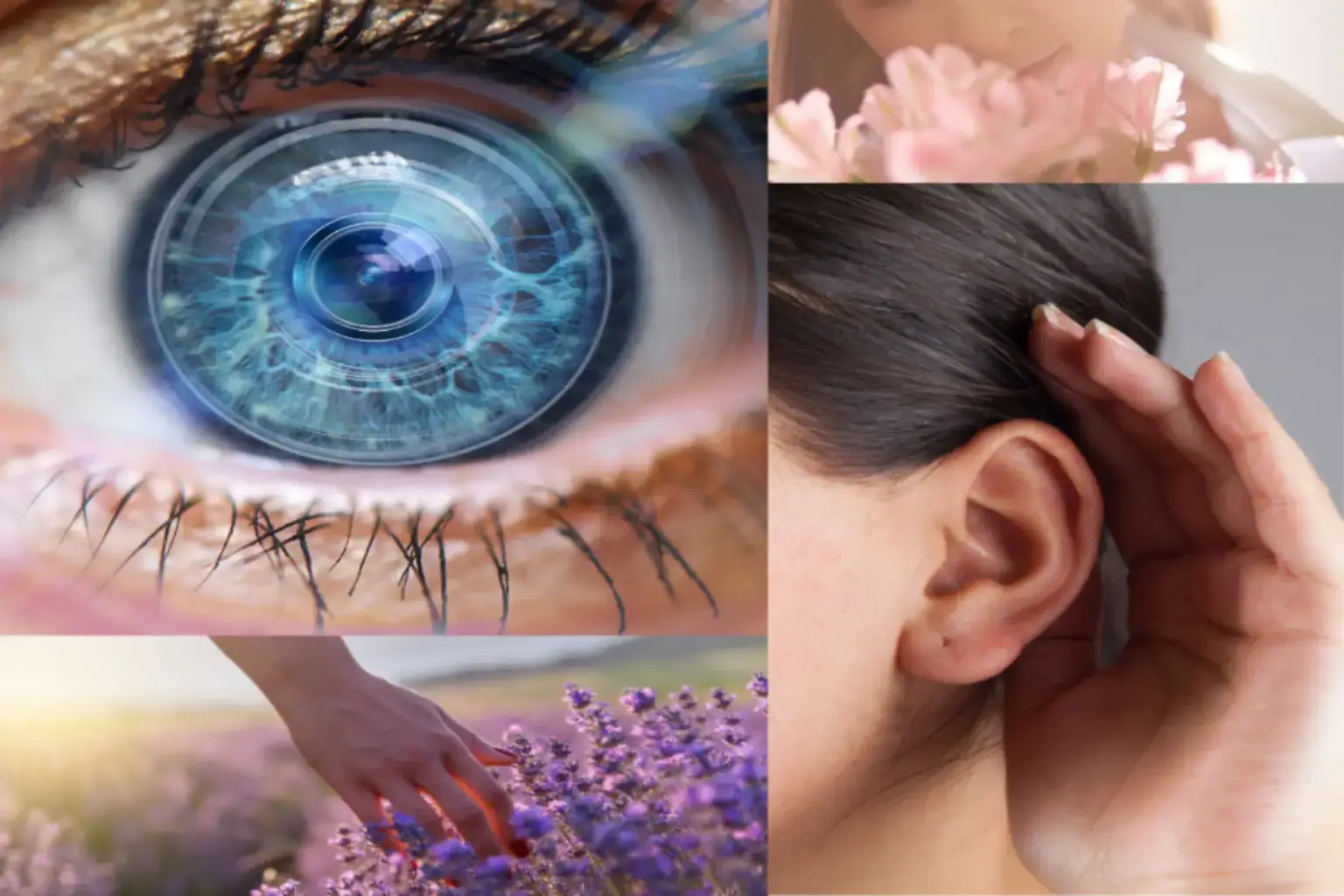
Learning preferences vs. “learning styles”
It’s normal to have preferences—some people like diagrams, some like listening, and some understand best by doing. The part to be cautious about is turning those preferences into a fixed identity (“I can’t learn unless it’s visual”). Reviews of the “match teaching to a learning style” idea have found it isn’t strongly supported by evidence.
A more helpful approach is to use strategies that fit:
- the content (what you’re learning),
- the context (time, environment, stress level),
- and your preferences (what keeps you engaged).
Three common ways people take in information
You can still use the “channels” idea in a flexible way:Visual (seeing)
Helpful when you’re learning processes, timelines, systems, or anything you can map. Try:- outlines and mind maps
- diagrams or simple charts
- rewriting key ideas in your own words
Auditory (hearing)
Helpful when you’re learning through explanation, discussion, or storytelling. Try:- teach-back (explain it out loud)
- recording a short voice-note summary
- studying with a partner or group
Kinesthetic / sensory (doing)
Helpful when you learn best by trying, practicing, or moving through an example. Try:- practice problems and real examples
- role-play (presentations, conversations)
- “do one step now” before reading more
Key point: Most people benefit from using more than one approach—especially for long-term memory.
Study strategies that work for most people
Regardless of preference, these strategies tend to help learning stick:1) Retrieval practice (test yourself)
Instead of rereading, try recalling from memory:- “What are the 3 key points?”
- “How would I explain this in 2 sentences?”
2) Spacing (short sessions over time)
Ten minutes today + ten tomorrow often beats one long cram session.3) Teach-back
Explain the idea as if you’re teaching someone else.4) Use examples
Apply the concept to one real scenario. The goal is to use what you learned, not just recognize it on the page.
How stress and anxiety can affect learning
Stress can make it harder to concentrate, remember, and stay organized—especially when your mind is scanning for threats or stuck in perfectionism. If learning gets harder when you’re overwhelmed, it doesn’t mean you’re “bad at learning.” It may mean your nervous system needs support. Try this quick reset before studying:- 3 slow breaths
- name one feeling (“I’m overwhelmed”)
- choose one tiny start (“I’ll do 5 minutes”)
Quick Quiz: What Helps Information “Stick” for You?
This quiz isn’t a diagnosis and it doesn’t mean you can only learn one way. It’s a quick way to notice what tends to keep you engaged—so you can choose study and communication strategies that fit you.
Instructions: For each question, circle A, B, or C. Then use the scoring key to total V (Visual), A (Auditory), and K (Kinesthetic/Sensory).
Questions (10)
1) When you’re trying to understand something new, you prefer to:
A) See a diagram, outline, or written steps
B) Hear someone explain it out loud
C) Try an example or practice it right away
2) When you’re planning your day, what helps most?
A) A written list or calendar
B) Talking it through
C) Starting with one small action and building momentum
3) In a class or meeting, you remember information best when you:
A) Can see key points written out (slides, whiteboard, notes)
B) Hear the speaker clearly and can ask questions
C) Can participate, role-play, or do an activity
4) When you’re stressed, what helps you reset?
A) Writing thoughts down to organize them
B) Talking to someone you trust
C) Moving your body (walk/stretch) or doing a grounding action
5) When you’re learning a skill (cooking, a new app, a hobby), you prefer:
A) Watching a demonstration or reading instructions
B) Having someone explain it step-by-step
C) Doing it while you learn (hands-on)
6) When you’re trying to remember something later, you tend to:
A) Picture the page, chart, or layout
B) Replay what was said in your head
C) Remember by doing it or practicing it
7) When someone is explaining a problem, you want them to:
A) Show you (write it down or draw it)
B) Tell you (walk you through verbally)
C) Help you try it (practice together)
8) When you’re making a decision, what feels most helpful?
A) Seeing options written out (pros/cons, notes)
B) Talking through options
C) Trying a small test action first
9) When you’re studying, the most helpful approach is usually:
A) Summaries, flashcards, and diagrams
B) Teach-back (explaining out loud) or audio notes
C) Practice questions or real examples
10) In relationships, you feel most supported when someone:
A) Follows through with plans or writes things down
B) Checks in verbally and validates your feelings
C) Helps in a practical way (actions, doing something together)
Scoring Key (accurate because each question is intentionally written this way)
For every question:
- A = Visual (V)
- B = Auditory (A)
- C = Kinesthetic/Sensory (K)
Now tally totals:
- V: ___
- A: ___
- K: ___
How to interpret your results
Your highest score suggests a preference for how you like to take in information—not a fixed rule or diagnosis. Many people learn best using a mix of seeing, hearing, and doing. Use your result to pick strategies that keep you engaged, then adjust based on what actually helps you remember and apply information.

What to try based on your preferences
If V is highest (Visual):
- diagrams, outlines, written summaries
- flashcards with short definitions
- highlight + rewrite key ideas in your own words
If A is highest (Auditory):
- teach-back (explain it out loud)
- study groups or discussion
- record a short voice-note summary
If K is highest (Kinesthetic/Sensory):
- practice questions, role-play, examples
- “do one step now” before reading more
- movement breaks (walk/stretch) during study blocks

When therapy can help
If focus, follow-through, anxiety, overwhelm, or self-criticism gets in the way of learning (or day-to-day functioning), therapy can help you build coping strategies and routines that fit your life.
FAQs
You can notice preferences, but try not to treat them as a rule. Evidence does not strongly support the idea that matching instruction to a preferred “style” reliably improves learning.
.
That can happen for many reasons—stress, burnout, sleep issues, anxiety, or attention difficulties. A good start is simplifying the plan, reducing barriers, and adding structure and support. Therapy can also help.
In general: practice recalling it (retrieval), revisit over time (spacing), and explain it in your own words (teach-back).
If you’re ready for support, we’re here.

Healing Humans Chicago
At Healing Humans, we believe therapy should feel supportive, culturally responsive, and grounded in evidence-based care. Our team works with adults, children, adolescents, couples, and families, offering services in English and Spanish. We’re committed to creating a welcoming space where clients of all backgrounds and identities feel respected and understood.